

 See My Latest Article on HelloNation

How Frequently Is Dental Care Recommended?
Most adults and children in Dacula, GA benefit from a dental visit every six months for routine cleanings and exams. This general guideline is supported by the American Dental Association and applies to individuals with generally healthy teeth and gums. However, specific circumstances may warrant more or fewer visits.
Consistent check-ups are especially valuable in the humid subtropical climate of this area, where seasonal allergies, dry mouth, or higher pollen counts can indirectly affect oral health.
Why Are Regular Dental Visits Necessary?
Routine dental visits do more than just clean teeth. These appointments allow dental professionals to:
- Remove tartar and plaque that daily brushing can miss
- Identify early signs of tooth decay and gum disease before symptoms worsen
- Monitor shifting teeth or bite changes, which may occur with aging or lifestyle shifts
- Screen for signs of oral cancer or other health changes
In the city, with its mix of established neighborhoods and growing family areas, preventive care keeps oral health issues from disrupting daily routines, work, or school for local residents.
Can Some People Visit Less Often?
For a small portion of the population with excellent oral health and low risk of dental problems—non-smokers, consistent flossers, no history of cavities or gum disease—a yearly visit may be sufficient. This should be based on personal history and under the advice of a dental professional.
Skipping check-ups entirely, even for those with no pain or visible issues, is not recommended. Some dental issues can progress silently and may only be caught during a professional examination.
Who Needs to Visit More Frequently?
Certain groups in the community should consider dental visits every 3–4 months:
- Children and teens, especially as permanent teeth come in or orthodontics are involved
- Pregnant people, due to increased risk of gum disease during pregnancy
- Adults with a history of frequent cavities, gum disease, or dry mouth
- Those with chronic conditions such as diabetes or undergoing treatments that affect the immune system
- Smokers or people who use tobacco products
Area residents with well water or unique dietary habits (such as higher sweet tea or snack consumption, which are common in parts of Georgia) may also benefit from close monitoring to prevent tooth decay.
Are There Signs You Should Go Sooner?
Yes, sometimes an unscheduled visit is best. See a dental professional quickly if you notice:
- Persistent tooth pain or sensitivity to hot or cold
- Bleeding, sore, or swollen gums
- A sore or spot in the mouth that won’t heal
- Difficulty chewing, swallowing, or jaw discomfort
- A chipped, cracked, or knocked-out tooth
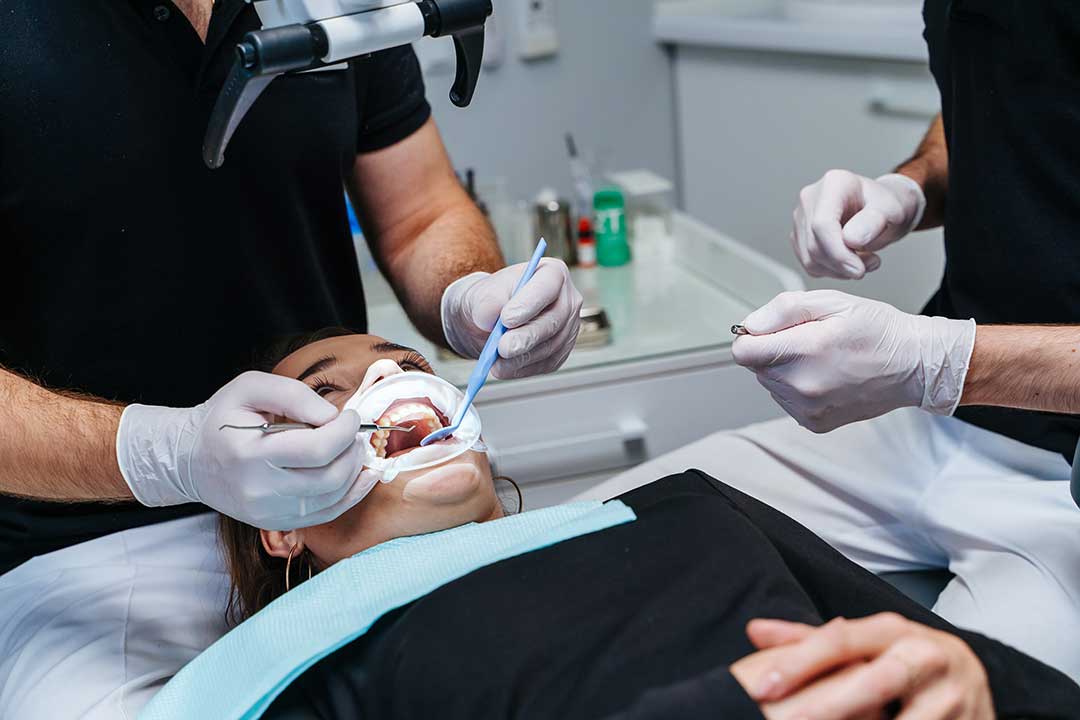
Local conditions such as pollen-related sinus pressure can sometimes mimic toothaches, but if symptoms linger or worsen, don't hesitate to seek care.
How Do Local Lifestyles Affect Dental Health?
The city’s warm seasons and outdoor activities mean residents may sip more sugary drinks, ice pops, or sports beverages. These habits, particularly among children and teens involved in school sports or summer camps, increase cavity risk. Wearing mouthguards during contact sports and staying hydrated with water can make a difference.
Additionally, spring pollen peaks and winter heating can contribute to dry mouth, increasing susceptibility to tooth decay. Recognizing these patterns can help residents time visits and maintain preventive care routines year-round.
What About Dental Care for Young Children?
Experts recommend that children have their first dental visit by their first birthday or within six months of their first tooth appearing. Regular visits every six months help families get trusted guidance on brushing, nutrition, fluoride, and teething challenges.
For Dacula households with young children, early dental visits introduce good habits before school-age and reduce the chance of missed classes due to dental problems.
How Does Insurance or Coverage Affect Frequency?
Many insurance plans used by local families cover two preventive dental visits per year, incentivizing regular care. Even without insurance, most find that preventive visits cost less and take less time than treating advanced dental problems.
Discussing frequency during routine visits helps align your care schedule with available benefits and keeps oral health on track.
Common Myths About Dental Visits
Some misconceptions that circulate in the community include:
- "No pain means no problems"—tooth decay and gum disease can develop painlessly
- "Dental cleanings weaken teeth"—in reality, professional cleaning strengthens gum health and prevents tartar buildup
- "You can skip the dentist if you brush often"—home care is essential, but not a substitute for professional exams
Understanding these common myths helps area residents make informed decisions about their oral health routines.