

 See My Latest Article on HelloNation
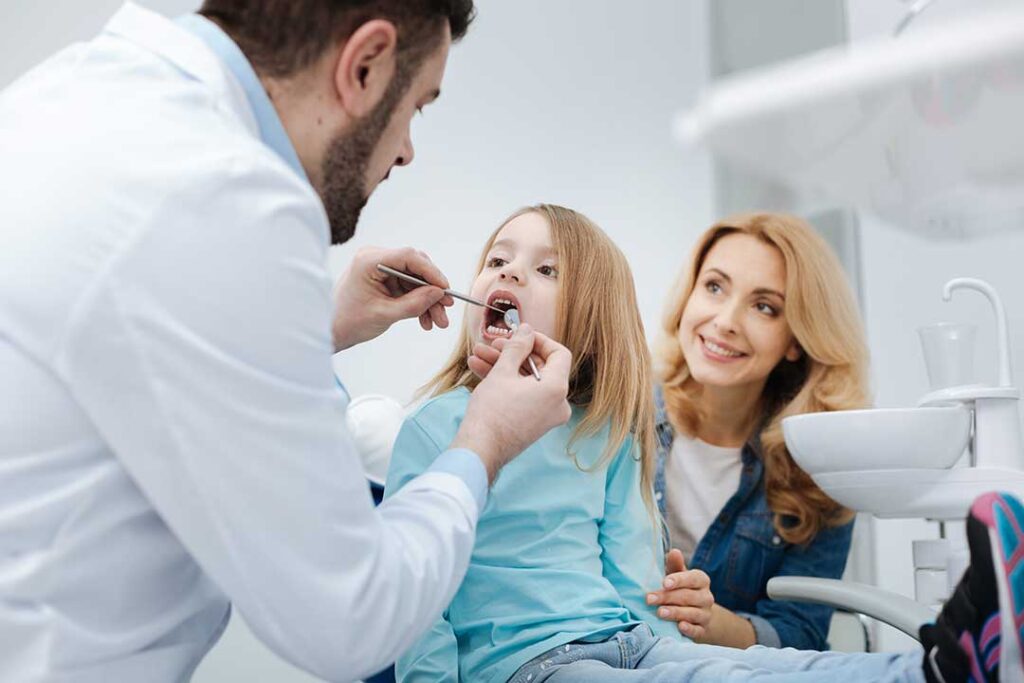
Why Does Brushing Technique Matter for Families in Dacula, GA?
Brushing effectiveness isn’t just about how often you brush—how you do it plays a big role in keeping your teeth and gums healthy. In a humid southern climate like Dacula, small gaps between teeth and daily exposure to local foods make thorough cleaning even more essential.
Dental plaque builds up quickly, especially with sugary treats and sweet iced drinks common in many area households. Proper technique removes bacteria before it hardens into tartar and helps prevent issues from developing that might otherwise go unnoticed until they cause pain or sensitivity.
How Long and How Often Should You Brush Your Teeth?
Most dental care experts recommend brushing for two minutes, twice daily—morning and evening. Two minutes is about the length of a favorite song or the time it takes for a bathroom mirror to fog up after a hot shower, something familiar during the warmer, humid months.
Morning brushing removes overnight bacterial buildup, while evening brushing cleans away food debris and plaque from the day. Skipping before bedtime allows bacteria to sit undisturbed for hours, increasing the risk of cavities and gum irritation.
What Is the Best Way to Brush Your Teeth?
Hold your toothbrush at a 45-degree angle toward the gumline and use gentle circular motions—this technique cleans where teeth and gums meet, where plaque tends to hide. Broad scrubbing or sawing back-and-forth strokes can erode tooth enamel and irritate gums.
Step-by-step guidance:
1. Place the toothbrush, bristles angled toward the gumline.
2. Gently move in small, soft circles; don’t scrub.
3. Cover all surfaces: outer, inner, and chewing faces of every tooth.
4. For the inside of front teeth, tilt the brush vertically and make a few up-and-down strokes.
5. Finish by brushing the tongue to remove bacteria and help freshen breath.
For most residents, a soft-bristled toothbrush works best, as it protects enamel and tender gum tissue.
Are There Mistakes Community Members Commonly Make While Brushing?
Yes, a few habits—even ones picked up early in life—can make brushing less effective:
- Brushing too hard or with a stiff brush, which wears away enamel and gums.
- Using the same toothbrush for too long. The community’s tap water, while well-treated, still leaves mineral traces that can wear out bristles sooner than you might expect. Replace toothbrushes every three months or sooner if bristles are frayed.
- Neglecting to brush the gumline and the back teeth, which is especially easy for people with crowded teeth or braces.
- Forgetting to brush the tongue, where many odor-causing bacteria remain.
Should You Use an Electric or Manual Toothbrush?
Both electric and manual toothbrushes can be effective when used properly, but electric brushes often make correct technique easier to maintain—especially for young children, older adults, or people with limited dexterity. In homes where several family members share a bathroom, electric brushes with replaceable heads can also help with individualized cleaning.
Manual toothbrushes are widely available in local stores and can be just as effective if you focus on slow, methodical motion and not rushing.
What Kind of Toothpaste Is Best for Dacula Residents?
Fluoride toothpaste is strongly recommended for almost everyone, regardless of age. Fluoride helps strengthen enamel, which can be important in the Southeast, where acidic foods and drinks are widely enjoyed, and enamel erosion can be overlooked until sensitivity develops.
For households with well water (common in less densely developed parts of the area), using a fluoride toothpaste is even more crucial, as not all local wells naturally contain fluoride.
Those with sensitive teeth or gum issues might look for specific formulations—just check that the toothpaste has the American Dental Association seal and contains fluoride for basic protective benefits.
How Can Local Children and Teens Build Better Brushing Habits?
Consistent routines make a big difference—having children brush at the same time as a parent or sibling can provide accountability and positive reinforcement. Many local families find setting a timer or playing a short song encourages children to brush for the full two minutes.
Brushing after consuming sticky, sweet treats (especially during warm-weather gatherings or after sports snack breaks) can help maintain oral health through the changing seasons. Demonstrating proper technique and rewarding persistence with praise sends a strong message that these habits matter for health.
What About Flossing—How Does It Fit Into the Local Oral Care Routine?
Flossing reaches between teeth where even careful brushing cannot. In houses with varied diets and harder tap water, small particles from chewy barbecue, crunchy snacks, or fibrous produce can easily lodge in tight spaces.
Daily flossing, either before or after brushing, is key. For those new to flossing or with limited hand mobility, floss picks are a useful option, as they make it easier to reach back teeth that are frequently missed.
Can Climate or Seasonal Habits Affect Brushing Success?
The warm, humid climate means bacteria multiply more rapidly, especially during muggy summer nights. Local kids active in sports might take in sugary sports drinks or snacks during games—brushing soon after consuming these lessens the time sugar sits on teeth.
During winter, indoor heat can lead to dry mouths, making thorough nighttime brushing and hydration even more important for both children and adults.