

 See My Latest Article on HelloNation
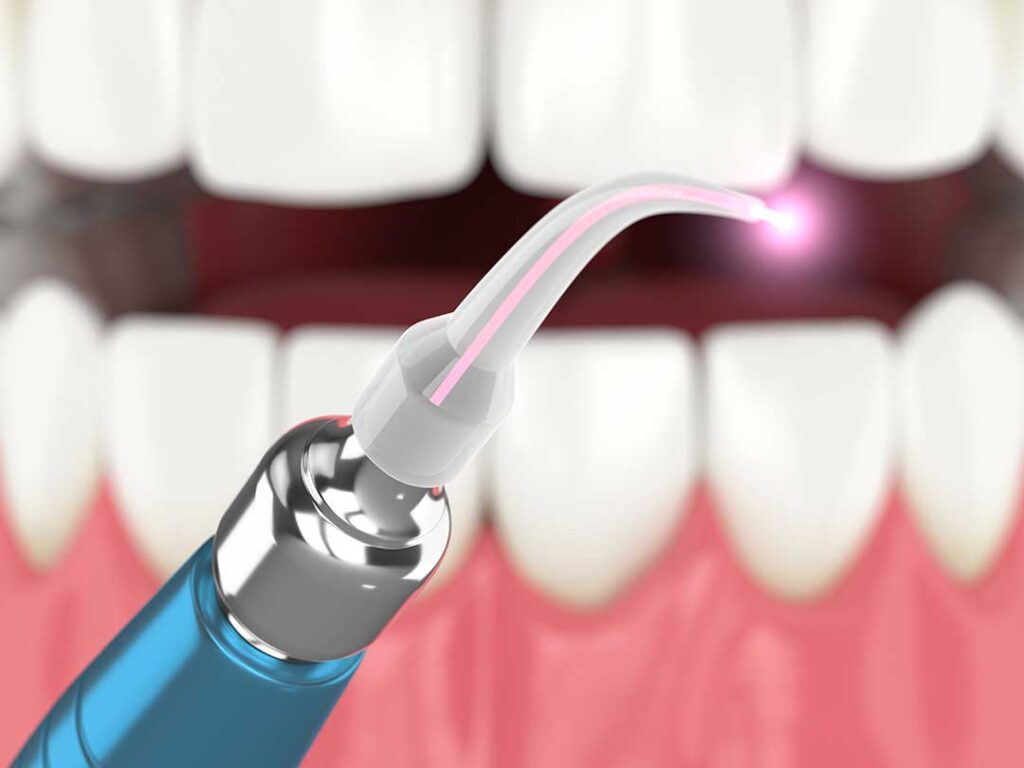
Does brushing harder clean teeth better?
No. Brushing with excessive force can irritate the gums and contribute to enamel wear, especially when paired with a stiff-bristled toothbrush or abrasive toothpaste.
Effective brushing depends more on technique than pressure. Hold a soft-bristled brush at a slight angle toward the gumline and use small, gentle motions. Brush for about two minutes, twice a day, using fluoride toothpaste. A powered toothbrush can be helpful for people who have difficulty controlling pressure or reaching all tooth surfaces, but a manual brush can also work well.
A toothbrush should be replaced when the bristles become bent or worn. Frayed bristles are less effective at cleaning and may feel harsh against the gums.
Is bleeding during flossing normal?
Bleeding gums are common, but they should not be dismissed as harmless. Bleeding often signals inflammation caused by plaque buildup along or between the teeth. Gums may bleed more when flossing begins after a period of inconsistent cleaning, and the bleeding may improve as the area is cleaned regularly.
Flossing should be gentle. Guide the floss between the teeth, curve it around each tooth in a “C” shape, and move it below the gumline without snapping it into place. Interdental brushes or water flossers may be useful alternatives for some people, particularly those with braces, bridges, larger spaces between teeth, or limited hand mobility.
Persistent bleeding, swelling, tenderness, bad breath, or gums that pull away from the teeth can indicate gum disease and should be evaluated rather than treated only with mouthwash.
Can people get cavities if they rarely eat candy?
Yes. Candy is only one source of cavity-causing sugar. Sweetened drinks, flavored coffee, sports drinks, energy drinks, desserts, sweetened cereals, and frequent snacks can also contribute to tooth decay.
Cavities develop through an interaction among oral bacteria, fermentable carbohydrates, tooth surfaces, saliva, and time. The frequency of sugar exposure matters. Sipping a sweet drink throughout the day gives bacteria repeated opportunities to produce acids that weaken enamel.
This can matter during long commutes, busy school days, outdoor activities, and warm-weather routines when people may reach for sweetened beverages more often. Water between meals is generally kinder to the teeth than continuous sipping of sugary or acidic drinks. After consuming something acidic, rinsing with water is preferable to brushing immediately, since softened enamel can be more vulnerable to abrasion.
Is fruit juice a healthy substitute for soda?
Fruit juice can provide some nutrients, but it still contains naturally occurring sugars and may be acidic. Drinking large amounts or sipping juice over many hours can increase the risk of cavities and enamel erosion.
For children, juice is best limited rather than treated like water. Drinking it with a meal is generally less harmful than carrying a cup or bottle throughout the day. Whole fruit is usually a better choice because it contains fiber and takes longer to consume.
The same principle applies to many flavored beverages marketed as healthy. “Natural,” “organic,” or “vitamin-enriched” does not automatically mean tooth-friendly.
Does fluoride damage teeth?
Used appropriately, fluoride helps prevent cavities by strengthening enamel, supporting remineralization, and making teeth more resistant to acid attacks. Fluoride toothpaste is recommended for most people, including children, in age-appropriate amounts.
For children younger than 3, a smear about the size of a grain of rice is generally enough. Children ages 3 through 6 typically use a pea-sized amount and should be supervised so they spit rather than swallow it.
Fluoride exposure can come from toothpaste, drinking water, mouth rinses, and professionally applied products. Water systems and household water sources can differ, so families who rely on wells, filtration systems, bottled water, or other nonstandard sources may need to verify fluoride levels. A dental or medical clinician can help determine whether a child needs additional fluoride.
Does flossing matter if a toothbrush is used carefully?
Yes. A toothbrush cannot clean all the surfaces between teeth. Plaque and food debris can remain in these narrow spaces, where cavities and gum inflammation often begin.
Daily cleaning between the teeth can be done with traditional floss, floss holders, interdental brushes, or another tool that fits comfortably and is used consistently. The best option is the one that can reach the area without injuring the gums.
Flossing does not need to be painful or cause forceful bleeding. If the spaces are difficult to clean, dental appliances are present, or the gums bleed regularly, a different technique or tool may be needed.
Is bad breath always caused by poor brushing?
No. Oral bacteria and tongue coating are frequent causes, but persistent bad breath can also be linked to gum disease, dry mouth, tobacco use, certain foods, sinus drainage, poorly cleaned dental appliances, or medical conditions.
Cleaning the tongue gently, drinking water, and cleaning between the teeth may help. Alcohol-containing mouthwash can make dryness worse for some people, and masking odor does not treat the underlying cause.
A dry mouth is especially relevant for people taking medications, breathing through the mouth, or spending time in heated or air-conditioned environments. Saliva helps neutralize acids and wash away food debris. Frequent water intake and sugar-free gum may support saliva flow, provided chewing gum is safe for the individual.
Can a toothache be ignored if the pain stops?
A toothache that suddenly disappears may still require attention. Pain can lessen if inflammation changes, but the underlying cavity, crack, infection, or damaged nerve may remain. In some cases, the nerve inside a tooth loses vitality and stops producing pain even though disease is progressing.
Warning signs include facial swelling, fever, a bad taste, pain when biting, sensitivity that lingers after hot or cold foods, difficulty opening the mouth, or swelling near the jaw or neck. Facial swelling accompanied by trouble breathing or swallowing requires urgent medical attention.
Pain medication may temporarily reduce discomfort, but it does not repair a damaged tooth or eliminate an infection.
Do healthy-looking teeth mean the mouth is healthy?
Not always. Early cavities, gum disease, enamel erosion, oral infections, and changes in the tissues of the mouth may develop before obvious symptoms appear. Some people also have a higher risk because of dry mouth, diabetes, tobacco use, pregnancy-related changes, orthodontic appliances, frequent acid exposure, or previous dental disease.
Daily care remains the foundation:
- Brush twice a day with fluoride toothpaste.
- Clean between the teeth once a day.
- Limit frequent sugary and acidic drinks.
- Drink water regularly.
- Avoid tobacco and oral tobacco products.
- Use a mouthguard for activities with a risk of dental injury.
- Pay attention to changes that persist or worsen.
Residents in Dacula may also notice that seasonal routines, indoor heating, outdoor recreation, and changes in beverage habits affect hydration and oral care. These factors do not replace basic prevention, but they can make consistent routines easier or harder to maintain.
Are baby teeth temporary enough to ignore?
No. Primary teeth help children chew, speak, and maintain space for permanent teeth. Untreated decay can cause pain, infection, difficulty eating, and problems with sleep or school participation. Baby teeth also establish early habits that influence long-term oral health.
Caregivers should begin cleaning a child’s teeth as soon as the first tooth appears. Young children need supervision because they often lack the coordination to brush thoroughly and may swallow toothpaste.
Understanding these myths makes oral care more practical: gentle brushing is better than aggressive scrubbing, bleeding gums deserve attention, sugar exposure is broader than candy, and the absence of pain does not always mean the absence of disease.